The Case for Boredom
Why those "empty" moments matter more than we think
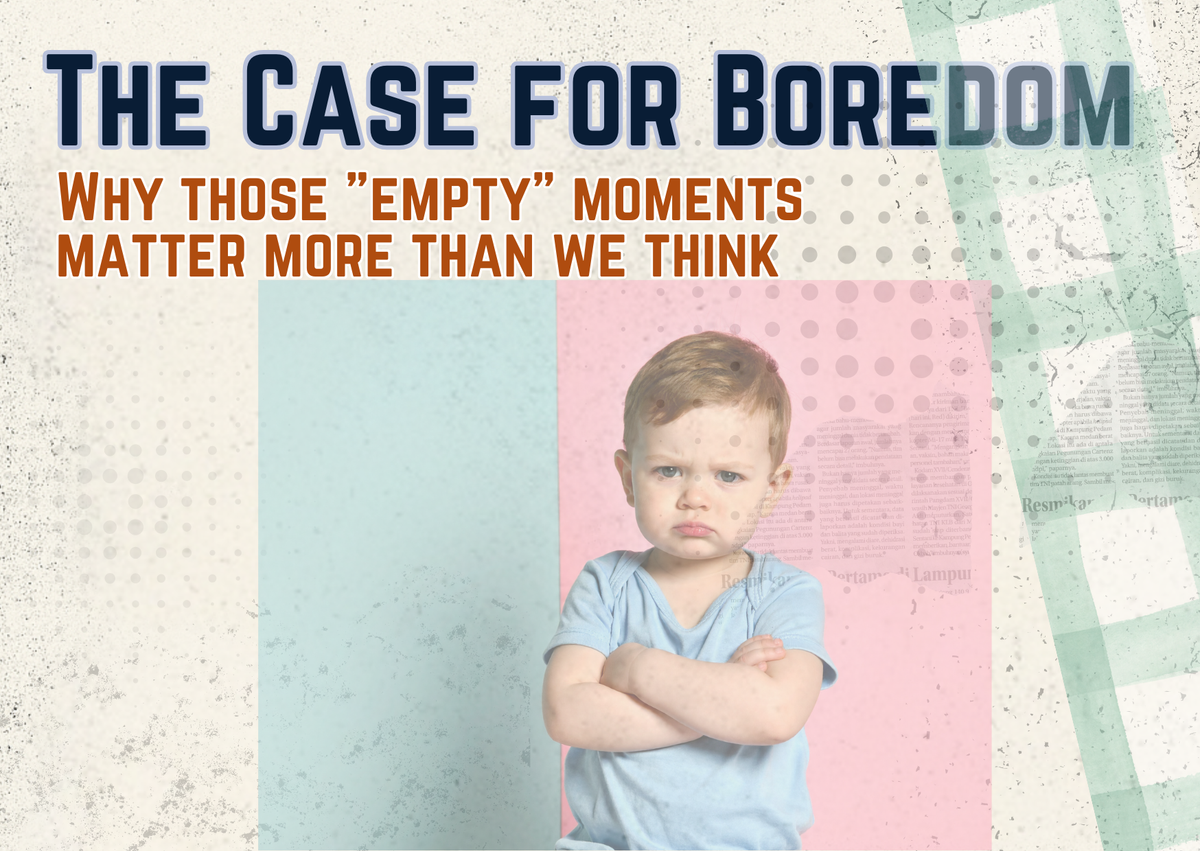
We've quietly taught ourselves that boredom is a problem to solve.
Waiting in a queue? Check your phone. Sitting on a train? Scroll. Kettle boiling, lift moving, food arriving, friend in the bathroom-every micro-pause is an opportunity to fill.
It's understandable. We carry a device that can entertain us on demand. Why wouldn't we use it?
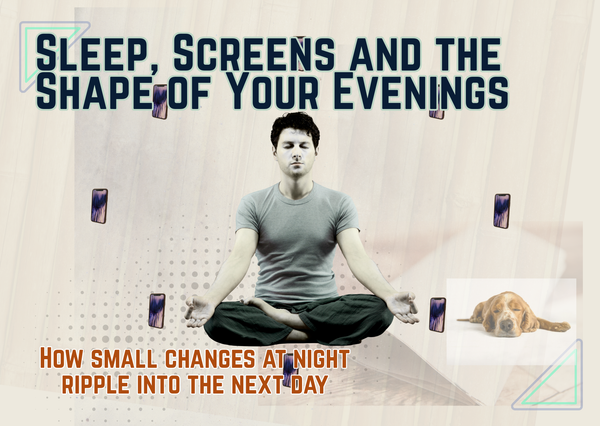
But something subtle gets lost when every spare second is colonised: the mind's ability to wander.
Boredom isn't just the absence of stimulation. It's also the space in which ideas combine, memories surface, connections form.
That half-remembered song. That sudden solution to a work problem. That urge to text someone you haven't spoken to in years. These things rarely arrive when our attention is pinned to an endless feed.
They show up in the gaps.
We don't need to romanticise boredom. Nobody is asking you to sit in a dark room staring at a wall for hours. But there's value in leaving a few cracks in the day unfilled.
You might notice:
- A small detail in your environment you've never really seen
- A feeling that's been waiting for your attention
- A thought that's been half-formed for weeks suddenly landing
Practically, this can be as simple as choosing one or two boredom "islands":
- No phone in the loo
- No phone while walking from one place to another
- No phone in queues
At first, those moments might feel oddly itchy. Your hand will reach automatically. Your brain will ask for a hit.
If you can stay with that mild discomfort for a few days, it usually softens into something else: a quiet sense that you've got a bit of your inner life back.
Boredom isn't a sign that something's wrong. It's often a sign that your mind finally has room to move.
Wise Eyes Open